
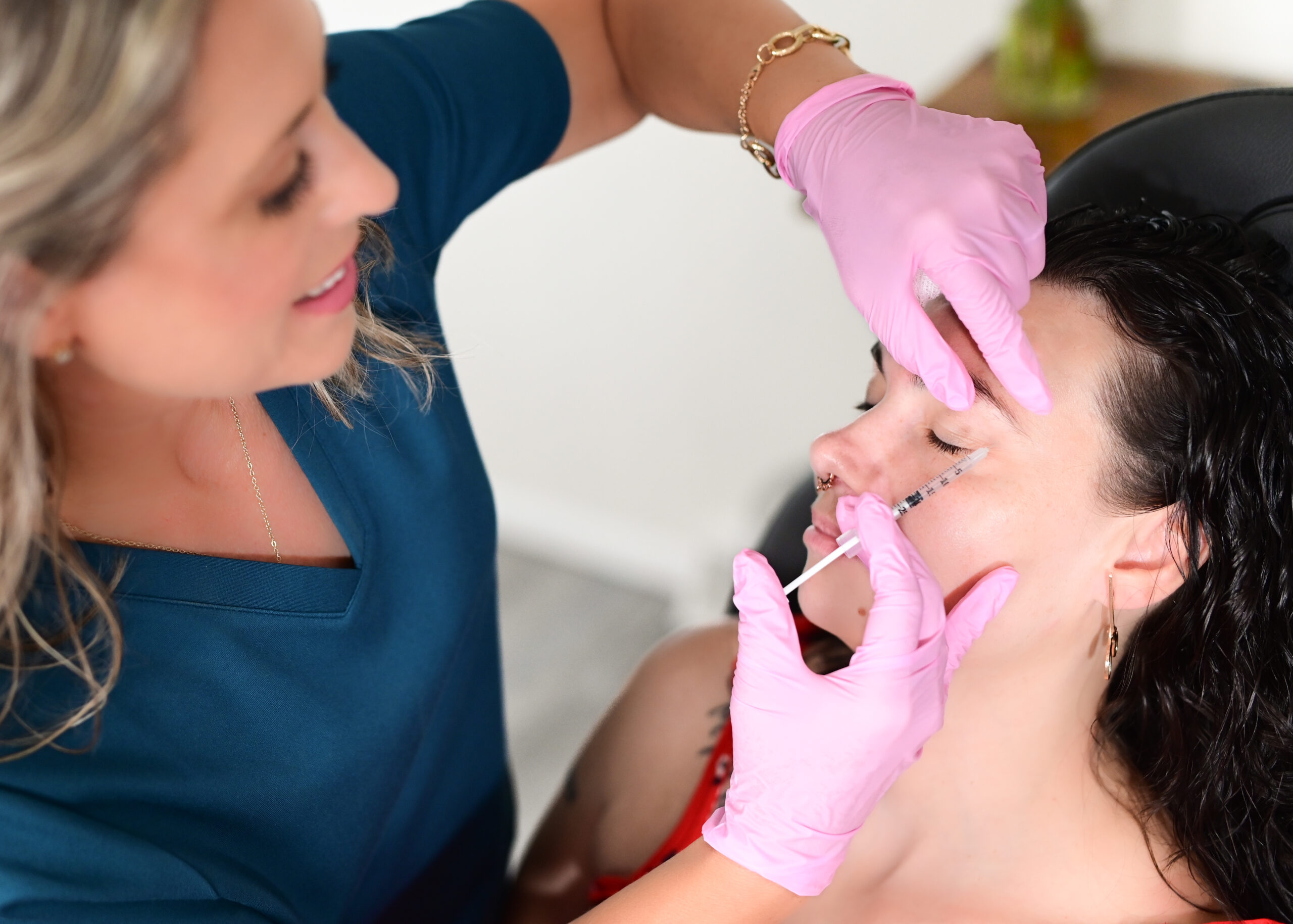
Fine lines and facial wrinkles often appear gradually, until one day you notice that your reflection looks more tired, tense, or aged than you feel inside. Expressions that once reflected happiness or concentration can begin to leave behind visible creases across the forehead, around the eyes, or between the brows. Many people searching for smoother, refreshed skin quickly encounter the debate over Dysport vs. Botox, yet understanding the real differences between these popular wrinkle relaxers can feel overwhelming. Questions about results, cost, treatment areas, and recovery often make the decision even harder. At BeautiSpot Boutique Med Spa in Plymouth, MI, patients receive personalized guidance designed to simplify the process and help them feel confident about their treatment choices. Whether you are exploring preventive treatments or seeking to soften dynamic wrinkles, understanding how these neuromodulators work can help you choose the option that best aligns with your goals and lifestyle.
Understanding Botox and Dysport
Wrinkle relaxers have become one of the most requested aesthetic treatments because they provide noticeable yet natural-looking rejuvenation without surgery or extensive downtime. Both Botox and Dysport are injectable neuromodulators designed to relax repetitive facial movements that contribute to expression lines. Although they work similarly, subtle differences in formulation, spread, and onset can influence which treatment is more appropriate, depending on your anatomy, treatment goals, and desired results.
What Is Botox?
Botox is an FDA-approved injectable neuromodulator made from botulinum toxin type A and has been widely used for cosmetic and medical purposes for decades. It works by temporarily blocking nerve signals to targeted muscles, reducing repetitive contractions that create dynamic wrinkles such as forehead lines, crow’s feet, and frown lines between the eyebrows. Many patients choose Botox because it offers predictable, refined results and can be customized for subtle softening or more dramatic smoothing depending on the treatment plan. Common Botox injection sites include the forehead, glabella, crow’s feet, chin, masseters, and neck bands. Beyond cosmetic use, Botox is also commonly utilized for migraines, excessive sweating, TMJ discomfort, and muscle tension concerns.
What Is Dysport?
Dysport is another FDA-approved neuromodulator that also uses botulinum toxin type A to relax facial muscles and smooth dynamic wrinkles. While its overall function is similar to Botox, Dysport has a slightly different protein structure and tends to diffuse more widely after injection. This quality can make it especially effective for treating larger areas, such as the forehead, while still preserving natural facial movement. Patients researching Botox vs. Dysport often discover that Dysport may provide a quicker onset for some individuals, with visible improvement sometimes appearing within a few days. Common Dysport injection sites include forehead lines, glabellar lines, crow’s feet, and other areas where a softer, more blended correction is desired.
How Neuromodulators Help Relax Dynamic Wrinkles
Dynamic wrinkles develop from years of repetitive facial expressions such as squinting, smiling, frowning, or raising the eyebrows. Neuromodulators like Botox and Dysport interrupt the communication between nerves and targeted muscles, reducing muscle activity that contributes to creasing. As the muscles relax, the skin above them smooths out, helping wrinkles appear softer and less noticeable while also preventing deeper lines from forming over time. Treatments are highly customizable and can preserve natural expression while refreshing the overall appearance. Many patients appreciate that neuromodulators offer subtle rejuvenation without dramatically changing facial features or requiring surgical recovery.
Dysport vs Botox: Key Differences to Know
Although Botox and Dysport achieve similar cosmetic goals, understanding their differences can help patients feel more informed before beginning treatment. The choice between products often depends on treatment area, muscle strength, desired diffusion, and provider preference based on facial anatomy.
Botox vs Dysport Differences in Formula and Spread
One of the primary Botox vs Dysport differences lies in how each product spreads beneath the skin after injection. Dysport generally diffuses more widely, which may make it ideal for larger treatment areas or for patients who want softer blending across the forehead. Botox tends to remain more localized, allowing for precise placement in smaller or highly targeted areas. Both products are effective, but their unique characteristics influence injector technique and treatment planning. Because Dysport units differ from Botox units, pricing comparisons can sometimes confuse patients, though treatment outcomes are generally comparable when administered correctly by an experienced injector.
Comparing Results Timeline and Treatment Longevity
Patients comparing Dysport vs Botox often want to know how quickly results appear and how long they last. Dysport may begin showing improvement within two to three days for some individuals, while Botox often takes about four to seven days to become noticeable, with full results appearing after approximately two weeks. In terms of longevity, both treatments typically last three to four months, though individual metabolism, muscle strength, and lifestyle factors can influence duration. Consistent maintenance treatments may help prolong smoother skin over time and reduce the formation of deeper expression lines.
Common Botox and Dysport Injection Sites
The placement of neuromodulators plays a major role in achieving balanced, natural-looking results. Skilled injectors carefully assess muscle movement, facial symmetry, and aesthetic goals before determining the most effective treatment plan.
Areas Commonly Treated with Botox Injections
Popular Botox injection sites include forehead lines, crow’s feet around the eyes, frown lines between the eyebrows, bunny lines on the nose, lip lines, chin dimpling, jawline slimming, and platysmal neck bands. Botox can also be strategically used for brow lifting and facial contouring when administered with precision. Patients often appreciate the versatility of Botox because it can address both cosmetic concerns and certain functional conditions while maintaining natural facial expression. Treatment plans are tailored to facial anatomy to avoid an overdone or frozen appearance.
Areas Commonly Treated with Dysport Injections
Common Dysport injection sites often overlap with Botox treatment areas, particularly the forehead and glabellar region, where broader diffusion can create a softer, more even relaxation. Dysport is often preferred for patients with stronger muscle tone or larger treatment areas because it spreads smoothly across wider facial areas. Some individuals feel Dysport creates a slightly softer appearance in expansive regions of the upper face while still effectively reducing visible lines. As with Botox, precise dosing and injector expertise are essential for achieving balanced, refreshed outcomes.
How Treatment Areas Can Influence Product Selection
Treatment location can significantly influence whether Botox or Dysport may be the better option for a patient. Smaller, more detailed areas may benefit from the precision of Botox, while larger areas may respond beautifully to Dysport’s broader diffusion pattern. Muscle strength, wrinkle severity, skin thickness, and patient goals all contribute to product selection. During consultation, providers evaluate facial movement patterns and customize treatment recommendations accordingly. Personalized treatment planning helps ensure that patients achieve natural enhancement rather than a one-size-fits-all result.
Side Effects and Recovery Expectations
One reason neuromodulators remain so popular is that treatment requires little interruption to daily life. Most patients return to normal activities immediately after their appointment with only minimal temporary side effects.
Common Side Effects of Botox and Dysport
The most common side effects of Botox include mild redness, swelling, bruising, tenderness, or temporary tightness near injection sites. Similarly, common side effects of Dysport may include slight swelling, bruising, headaches, or temporary sensitivity following treatment. These effects are generally mild and resolve within a few days. Rare complications can occur if products migrate into unintended muscles, which is why selecting a qualified and experienced injector is so important. Following aftercare instructions carefully can help minimize unwanted effects and support optimal results.
What to Expect After Neuromodulator Treatment
Following neuromodulator injections, patients are typically advised to avoid rubbing the treatment area, strenuous exercise, lying flat, or excessive heat exposure for several hours. Mild swelling or pinpoint redness often subsides quickly, and makeup can usually be applied later the same day if needed. Results gradually appear over several days and continue improving during the first two weeks. Most patients describe treatment as quick, comfortable, and easy to fit into a busy schedule. Because there is minimal downtime, neuromodulators remain a convenient option for patients wanting effective anti-aging treatment without surgery.
Dysport vs Botox Cost and Treatment Planning
Cost is often an important factor when comparing wrinkle relaxers, but treatment value depends on more than simply the price per unit. Understanding how neuromodulator pricing works can help patients make informed decisions about long-term aesthetic care.
Factors That Influence Neuromodulator Pricing
Several factors contribute to the Dysport vs. Botox cost, including the number of units required, injector expertise, treatment complexity, and geographic location. Dysport units are measured differently from Botox units, so direct price comparisons can sometimes be misleading. Stronger facial muscles or larger treatment areas may require more product, regardless of the chosen neuromodulator. Experienced injectors who specialize in facial anatomy and natural-looking results may also charge higher rates based on their skill and training. Patients should prioritize quality, safety, and expertise rather than choosing treatment solely on price.
Choosing the Right Wrinkle Relaxer for Your Goals
The best wrinkle relaxer depends on your facial anatomy, aesthetic goals, lifestyle, and personal preferences. Some patients respond better to one product than the other, while others appreciate subtle differences in diffusion, onset, or feel. A thorough consultation allows providers to assess muscle movement, discuss desired outcomes, and recommend the treatment most likely to achieve balanced, natural-looking rejuvenation. Many patients find that trying both products over time helps them better understand which option suits them best.
Which Treatment is Right For You?
Choosing between Botox and Dysport does not have to feel complicated when you work with an experienced aesthetic provider who understands facial balance and individualized care. Both products are effective tools for softening wrinkles, preventing deeper lines, and helping patients maintain a refreshed appearance without surgery. The right treatment often depends on subtle details unique to your face and goals, making a professional evaluation essential for achieving satisfying results.
Why Choose BeautiSpot Boutique Med Spa for Botox Treatments in Plymouth, MI
Patients seeking advanced neuromodulator treatments trust BeautiSpot Boutique Med Spa because of its personalized approach to aesthetic care and commitment to natural-looking results. Christi and the experienced team combine artistic precision with advanced injection techniques to create treatment plans tailored to each patient’s facial anatomy and cosmetic goals. Through ongoing education, attention to detail, and patient-focused care, the team helps individuals achieve refreshed outcomes that still look beautifully authentic. Patients can also explore visible treatment transformations through the practice’s before-and-after gallery. Conveniently located in Plymouth, the practice proudly serves surrounding communities seeking elevated aesthetic treatments in a welcoming boutique environment.
Schedule a Personalized Botox Consultation Today
If you are considering wrinkle relaxers and want expert guidance on choosing between Botox and Dysport, the team at BeautiSpot Boutique Med Spa in Plymouth, MI, is ready to help you feel informed and confident about your options. Whether your goal is preventative treatment, softening existing lines, or maintaining naturally refreshed skin, personalized care can make all the difference in your results. Visit the contact page to schedule your consultation today. BeautiSpot Boutique Med Spa is located at 905 West Ann Arbor Trail, Suite 1, Plymouth, MI 48170. Call our office at (313) 444-2925 or schedule an appointment online to begin your customized treatment plan.